

The World of Coffee
The Popularity of Coffee
Coffee is one of the most popular drinks worldwide. Millions of people enjoy a cup every day, whether for breakfast, during their lunch break, or as part of their daily routine. The versatility of coffee, from different brewing methods to various flavors, contributes to its great popularity.
| Region | Popularity (cups per person/day) |
|---|---|
| Europe | 2 - 4 |
| North America | 1 - 3 |
| Asia | 1 - 2 |
| South America | 3 - 5 |
The Importance of Caffeine in Coffee
Caffeine is the main component that gives coffee its stimulating effect. It acts as a psychoactive substance that increases alertness and reduces fatigue. The caffeine content varies depending on the type of coffee and brewing method, which is of interest to many coffee lovers.
| Coffee Type | Average Caffeine Content (mg per 100 ml) |
|---|---|
| Arabica | 40 - 60 |
| Robusta | 80 - 120 |
| Liberica | 50 - 70 |
The choice of coffee type and brewing method can significantly influence the caffeine content. Many people appreciate the stimulating effect of caffeine, while others may prefer a milder variety.
Caffeine Varieties in Coffee
Coffee is not only a popular drink but also a delicacy that is available in various varieties. The different coffee types come with different flavors and caffeine levels. In this section, the three main varieties of coffee are introduced: Arabica, Robusta, and Liberica.
Arabica Coffee
Arabica coffee is considered the highest quality coffee type and makes up about 60-70% of global coffee production. These beans grow at higher altitudes and require specific climatic conditions. Arabica coffee has a mild, sweet taste with a slight acidity.
| Properties | Arabica Coffee |
|---|---|
| Caffeine Content (mg per 100g) | 1.2 - 1.5 |
| Taste | Mild, sweet, fruity |
| Acidity | High |
| Growing Altitude | 600 - 2000 m |
Robusta Coffee
Robusta coffee is the second most common coffee type and makes up about 30-40% of global production. These beans are more resistant to pests and diseases and grow at lower altitudes. Robusta has a stronger, more bitter taste and contains more caffeine than Arabica.
| Properties | Robusta Coffee |
|---|---|
| Caffeine Content (mg per 100g) | 2.2 - 2.7 |
| Taste | Strong, bitter, earthy |
| Acidity | Low |
| Growing Altitude | 200 - 800 m |
Liberica Coffee
Liberica coffee is less common and makes up only a small part of global coffee production. These beans have an irregular shape and a unique, fruity taste with a floral aroma. Liberica is mainly grown in certain regions of Africa and Asia.
| Properties | Liberica Coffee |
|---|---|
| Caffeine Content (mg per 100g) | 1.5 - 2.0 |
| Taste | Fruity, floral, smoky |
| Acidity | Medium |
| Growing Altitude | 300 - 1500 m |
The choice of coffee type not only influences the taste but also the caffeine content of the drink. The different properties of Arabica, Robusta, and Liberica beans offer a variety of options for coffee lovers.
Caffeine Content in Coffee
Caffeine is an essential component of coffee and plays a crucial role in the enjoyment and effect of the drink. In this section, the caffeine content in a cup of coffee as well as the differences between the various coffee types are considered.
How much caffeine is in a cup of coffee?
The caffeine content in a cup of coffee can vary depending on the brewing method and coffee type. On average, a standard cup (240 ml) of coffee contains a certain amount of caffeine, which is shown in the following table.
| Coffee Preparation | Caffeine Content (mg) |
|---|---|
| Filter Coffee | 95 - 200 |
| Espresso (30 ml) | 63 |
| French Press | 80 - 120 |
| Cold Brew | 100 - 200 |
Differences in caffeine content between coffee types
The amount of caffeine can also vary depending on the coffee type used. The main varieties Arabica, Robusta, and Liberica show different caffeine values. The following table shows the average caffeine values for these varieties.
| Coffee Type | Caffeine Content (mg per 100 g) |
|---|---|
| Arabica | 80 - 120 |
| Robusta | 200 - 300 |
| Liberica | 70 - 100 |
The choice of coffee type and brewing method thus influences the caffeine content and thus also the taste experience.
Coffee Preparation and Caffeine Content
Influence of the brewing method on the caffeine content
The brewing method has a considerable influence on the caffeine content of the coffee. Different methods extract caffeine differently, which leads to varying amounts of caffeine in the cup. Here are some common brewing methods and their typical caffeine content:
| Brewing Method | Caffeine Content (mg per 100 ml) |
|---|---|
| Filter Coffee | 40 - 120 |
| Espresso | 100 - 150 |
| French Press | 80 - 120 |
| Moka Pot | 70 - 120 |
| Cold Brew | 50 - 200 |
Tips for maximizing or minimizing the caffeine content
To maximize or minimize the caffeine content in coffee, the following tips can be followed:
Maximizing the caffeine content
- Use Robusta beans: Robusta coffee has a higher caffeine content than Arabica.
- Longer brewing time: A longer contact time between water and coffee increases caffeine extraction.
- Finer grind: A finer grind allows for better extraction of caffeine.
- Higher water temperature: Hotter water can dissolve more caffeine from the coffee.
Minimizing the caffeine content
- Use Arabica beans: Arabica coffee has less caffeine than Robusta.
- Shorter brewing time: A shorter contact time reduces caffeine extraction.
- Coarser grind: A coarser grind leads to less caffeine in the cup.
- Colder water temperature: Cooler water extracts less caffeine.
By following these tips, coffee lovers can adjust the caffeine content of their drink to their liking.
Coffee and Health
Effects of caffeine on the body
Caffeine is a central component of coffee and has various effects on the human body. It acts as a stimulant and can increase alertness and concentration. In addition, caffeine also has some physiological effects that can be both positive and negative.
| Effect | Description |
|---|---|
| Increased alertness | Caffeine blocks adenosine, a neurotransmitter that promotes fatigue. |
| Improved mood | Caffeine can increase the release of dopamine, which leads to a better mood. |
| Increased heart rate | Caffeine can increase the heart rate, which can lead to restlessness in sensitive individuals. |
| Diuretic effect | Caffeine has a diuretic effect, which can lead to frequent urination. |
The individual reaction to caffeine can vary. Some people can consume high amounts without feeling negative effects, while others react more sensitively.
Recommendations for coffee consumption for a healthy lifestyle
To maximize the health benefits of coffee and minimize possible negative effects, some recommendations should be followed. These recommendations help to integrate coffee consumption into a healthy lifestyle.
| Recommendation | Description |
|---|---|
| Moderation | The consumption of 3 to 4 cups of coffee per day is considered harmless for most adults. |
| Hydration | Drink enough water to compensate for the diuretic effect of caffeine. |
| Time of consumption | It is best to consume caffeine in the morning or early afternoon to avoid sleep disturbances. |
| Awareness in case of sensitivity | People who react sensitively to caffeine should reduce their consumption or choose decaffeinated coffee. |
By following these recommendations, people who are interested in coffee and aesthetics can enjoy the positive aspects of caffeine while keeping an eye on their health.
Coffee as a taste experience
Coffee culture and aesthetics
Coffee is not only a drink but also an experience that is shaped by its preparation and presentation. Coffee culture has developed worldwide and encompasses various traditions that make the enjoyment of coffee a special moment.
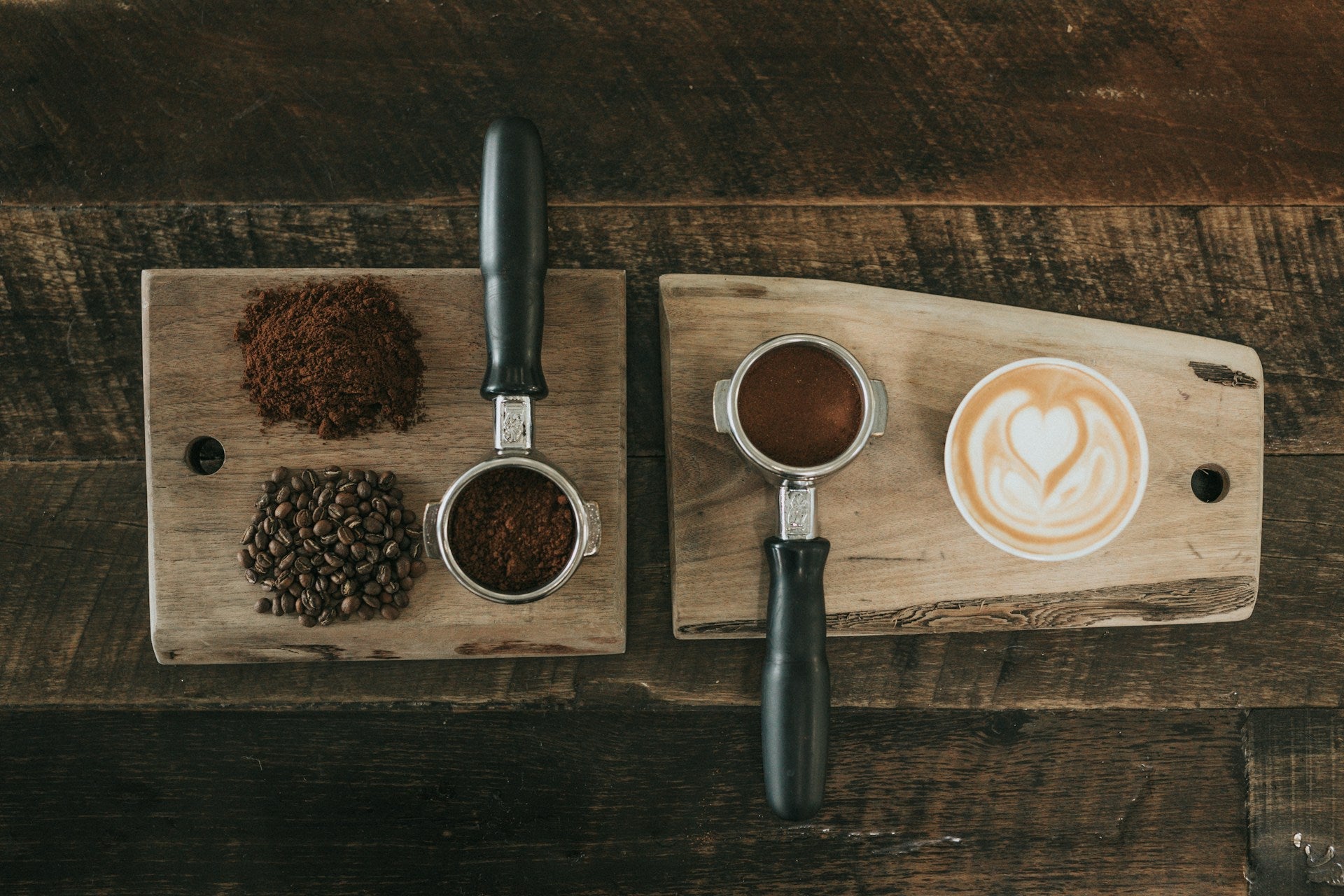
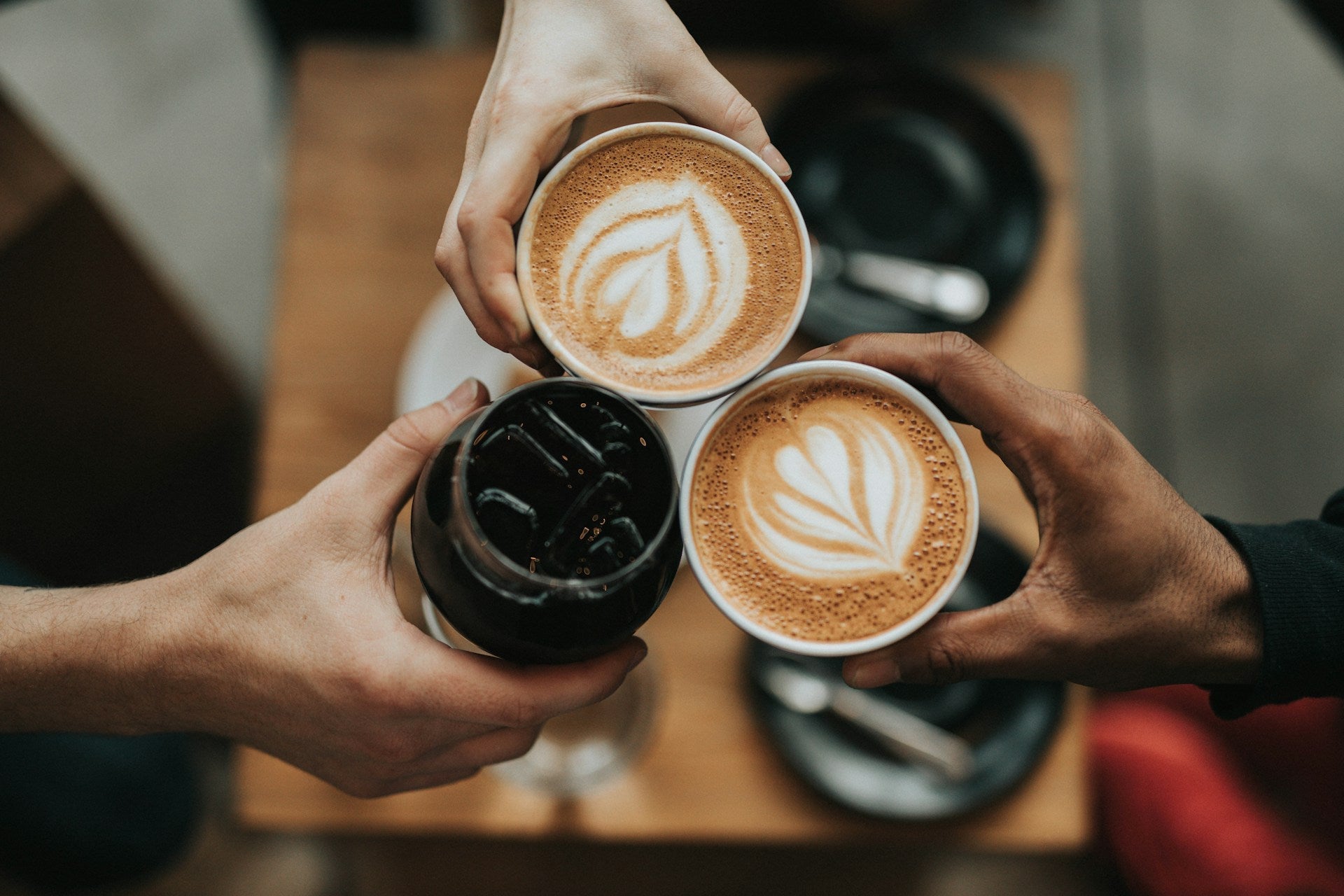
The aesthetics of coffee are shown in the selection of beans, the brewing methods, and the presentation in cups or mugs. Many people appreciate the art of the barista, which is reflected in the preparation of latte art or in the perfect extraction of an espresso.
| Aspect | Description |
|---|---|
| Brewing methods | Espresso, French Press, Pour Over, Cold Brew |
| Presentation | Cups, mugs, glasses, latte art |
| Barista art | Techniques for preparation and decoration |
The importance of coffee in different cultures
Coffee has a deeply rooted meaning in many cultures. In some countries, coffee consumption is a social ritual, while in others it is seen as part of daily life.
In Ethiopia, the country of origin of coffee, the coffee ceremony is considered an important social act, where the preparation and enjoyment of coffee take place in a festive setting. In Italy, on the other hand, espresso is a symbol of lifestyle and conviviality.
| Culture | Importance of coffee |
|---|---|
| Ethiopia | Coffee ceremony as a social act |
| Italy | Espresso as a lifestyle |
| Turkey | Turkish coffee as part of hospitality |
| Brazil | Coffee cultivation and production as an economic factor |
Coffee brings people together and creates moments of enjoyment and conviviality. The diversity of coffee cultures and the aesthetic presentation make coffee a fascinating topic for lovers and connoisseurs.
Further articles:
Coffee: A delicacy that seduces the senses
Long coffee: The trend you should try
Good morning coffee: The art of perfect preparation
Why decaffeinated coffee is the perfect choice
Coffee or tea: What does your taste say about you?
Discover the surprising benefits of black coffee
Decaffeinated coffee: Taste that delights
Why Americano coffee is the perfect choice for you
Melange coffee: A delicious trend you should try
French Press coffee: The key to full coffee flavor
Coffee during pregnancy: Tips for pregnant women
The amazing caffeine values in different coffees
Instant coffee: A quick solution for coffee lovers
Turkish coffee: An experience you should not miss
Coffee calories: The hidden calories in popular varieties
How to prepare Flat White coffee perfectly
Einspänner Coffee: A Heavenly Everyday Treat
Coffee During Pregnancy: Myths and Facts Revealed
Coffee with Vanilla Ice Cream: How to Create a Delicious Treat
The Best Coffee and Caffeine Options for the Perfect Treat