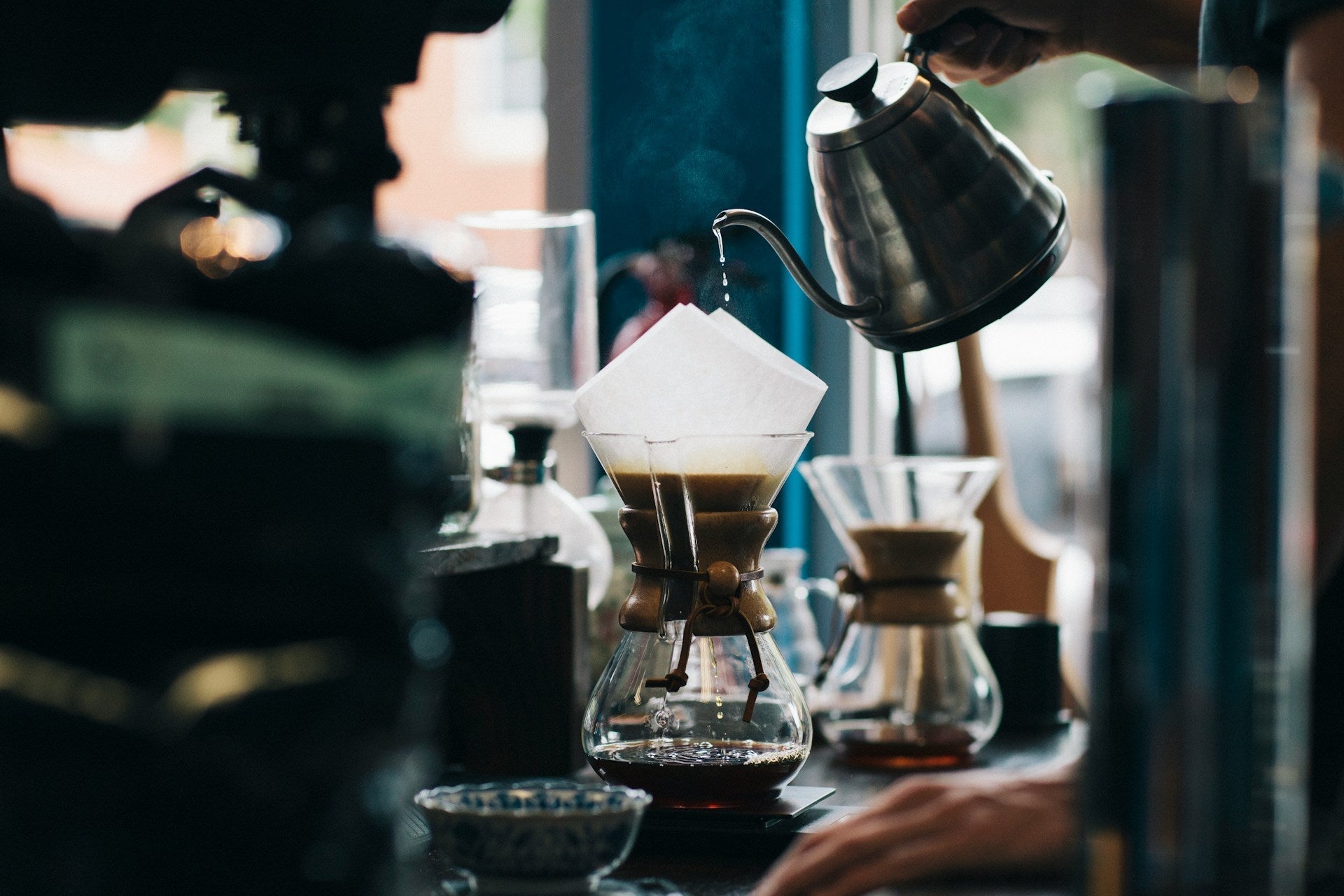



The World of Decaffeinated Coffee
Why Decaffeinated Coffee?
Decaffeinated coffee is an excellent choice for people who want to enjoy the taste of coffee without the stimulating effects of caffeine. Many people choose decaffeinated coffee for various reasons. These include health concerns, sleep problems, or simply the desire to reduce caffeine consumption.
Decaffeination is usually carried out using various processes aimed at minimizing the caffeine content while preserving the characteristic taste of the coffee. These methods can be chemical or physical and vary in their effectiveness and their impact on the aroma.
| Decaffeination method | Description | Caffeine content (%) |
|---|---|---|
| Water process | Use of water to extract caffeine | 0.1 - 0.3 |
| Chemical process | Use of solvents to remove caffeine | 0.1 - 0.5 |
| CO2 process | Use of carbon dioxide to extract caffeine | 0.1 - 0.3 |
The popularity of decaffeinated coffee
The popularity of decaffeinated coffee has increased in recent years. More and more people appreciate the opportunity to enjoy coffee without having to worry about the side effects of caffeine. This is especially true for people who are sensitive to caffeine or have health restrictions.
A survey of coffee drinkers shows that many people consider decaffeinated coffee to be an equivalent alternative to regular coffee. The variety of flavors and roasts has also contributed to its popularity.
| Year | Popularity of decaffeinated coffee (%) |
|---|---|
| 2018 | 15 |
| 2019 | 20 |
| 2020 | 25 |
| 2021 | 30 |
The growing demand for decaffeinated coffee is also reflected in product availability. More and more cafes and retailers offer a wide selection of decaffeinated options, increasing accessibility and enjoyment for coffee lovers.
Decaffeinated coffee compared
Production of decaffeinated coffee
Decaffeinated coffee is produced in several steps to reduce the caffeine content while preserving the aromas and flavor profiles. There are various decaffeination methods, the most common of which are:
| Method | Description |
|---|---|
| Water extraction | Beans are soaked in water to extract caffeine and other soluble substances. |
| Chemical solvents | Use of solvents to remove caffeine from the beans. |
| CO2 extraction | Carbon dioxide is used to extract caffeine from the beans while preserving the aromas. |
| Ethyl acetate | A natural solvent that removes caffeine and preserves the aromas. |
Each method has its own advantages and disadvantages, which can affect the taste and quality of the final product.
Differences between caffeinated and decaffeinated coffee
The differences between caffeinated and decaffeinated coffee are not only found in the caffeine content, but also in the aromas and their effect on the body.
| Feature | Caffeinated coffee | Decaffeinated coffee |
|---|---|---|
| Caffeine content (mg per cup) | 95 - 200 | 2 - 5 |
| Taste | Intense, strong | Milder, often fruitier |
| Effect on the body | Stimulating, increases alertness | Soothing, less stimulating |
| Acidity | Higher | Often lower |
These differences are important for people who want to reduce their caffeine intake but still do not want to miss out on the enjoyment of coffee.
Health aspects
Benefits of decaffeinated coffee
Decaffeinated coffee offers numerous health benefits that make it an attractive choice for many people. It allows you to enjoy coffee without the stimulating effects of caffeine. Here are some of the most important benefits:
| Benefit | Description |
|---|---|
| Reduced anxiety | Caffeine can increase anxiety in some people. Decaffeinated coffee offers an alternative that is less likely to lead to nervousness. |
| Better sleep quality | Avoiding caffeine can lead to better sleep, as it does not disrupt sleep cycles. |
| Gentle on the stomach | Decaffeinated coffee can be better tolerated by people with a sensitive stomach, as it contains less acid. |
| Antioxidants | Decaffeinated coffee still contains antioxidants that help combat free radicals in the body. |
Caffeine sensitivity and alternatives
Some people are particularly sensitive to caffeine and experience negative effects even in small amounts. For these people, decaffeinated coffee is an excellent alternative. Here are some aspects related to caffeine sensitivity:
| Aspect | Description |
|---|---|
| Symptoms of caffeine sensitivity | The most common symptoms include insomnia, nervousness, heart palpitations, and stomach problems. |
| Alternatives to caffeine | In addition to decaffeinated coffee, there are other decaffeinated drinks such as herbal teas or fruit juices that are a good choice. |
| Dietary adjustments | People with caffeine sensitivity should consider their entire diet and pay attention to other caffeinated foods and drinks. |
Decaffeinated coffee is a valuable option for people who want to enjoy the benefits of coffee without experiencing the unwanted effects of caffeine.
Enjoyment without caffeine
Aroma profiles of decaffeinated coffee
Decaffeinated coffee offers a variety of aroma profiles that depend on the origin of the beans and the roast. These aromas can range from fruity and floral to chocolatey and nutty. The variety of flavors makes decaffeinated coffee an interesting choice for coffee lovers.
| Aroma | Description |
|---|---|
| Fruity | Notes of berries, citrus fruits, or stone fruits |
| Floral | Aromas of jasmine, lavender, or other flowers |
| Chocolatey | Taste of dark chocolate or cocoa |
| Nutty | Aromas of almonds, hazelnuts, or peanuts |
Preparation tips for decaffeinated coffee
The preparation of decaffeinated coffee can vary depending on the method. Here are some tips to get the best out of decaffeinated coffee:
| Preparation method | Tips |
|---|---|
| Filter coffee | Use freshly ground beans for a more intense aroma. |
| French Press | Let the coffee steep longer to intensify the aromas. |
| Espresso | Pay attention to the correct grind size to optimize extraction. |
| Cold Brew | Let the coffee steep overnight to achieve a smooth aroma. |
By following these tips, coffee lovers can unlock the full potential of decaffeinated coffee and enjoy the different flavors.
Decaffeinated coffee in society
Trends and developments
Decaffeinated coffee has gained popularity in recent years. More and more people are choosing this variant to enjoy the benefits of coffee without the stimulating effects of caffeine. This development is reflected in various areas, from cafes to supermarkets.
| Year | Sales figures (in millions of cups) | Growth (%) |
|---|---|---|
| 2018 | 50 | - |
| 2019 | 55 | 10 |
| 2020 | 65 | 18 |
| 2021 | 75 | 15 |
| 2022 | 90 | 20 |
The growing demand for decaffeinated coffee has also led to a greater variety of products. Consumers can now find different roasts, flavors, and preparation methods tailored to their preferences.
Sustainability and decaffeinated coffee
Sustainability plays an increasingly important role in the coffee industry. Many consumers pay attention to where their coffee comes from and how it is produced. Decaffeinated coffee is no exception. There is a growing number of farmers and roasters who are committed to environmentally friendly practices.
| Sustainability factor | Description |
|---|---|
| Organic farming | Use of organic farming methods without chemical fertilizers or pesticides. |
| Fair Trade | Ensuring fair wages and working conditions for coffee farmers. |
| CO2 reduction | Initiatives to reduce the carbon footprint during cultivation and processing. |
The combination of growing awareness of sustainability and the popularity of decaffeinated coffee is leading to a positive development in the industry. Consumers can now not only enjoy their coffee but also ensure that they are making environmentally conscious decisions.
More articles:
Coffee: An enjoyment that seduces the senses
Café au lait: The trend you should try
Good morning coffee: The art of perfect preparation
Why decaffeinated coffee is the perfect choice
Coffee or tea: What does your taste say about you?
Discover the surprising benefits of black coffee
Decaffeinated coffee: Taste that delights
Why Americano coffee is the perfect choice for you
Melange coffee: A delicious trend you should try
French Press coffee: The key to full coffee flavor
Coffee during pregnancy: Tips for pregnant women
The amazing caffeine levels in different coffees
Instant coffee: A quick solution for coffee lovers
Turkish coffee: An experience you should not miss
Coffee calories: The hidden calories in popular varieties
How to prepare Flat White coffee perfectly
Einspänner coffee: A heavenly experience for every day
Coffee during pregnancy: Myths and facts revealed
Coffee with vanilla ice cream: How to make it a taste experience
The best coffee caffeine variants for perfect enjoyment