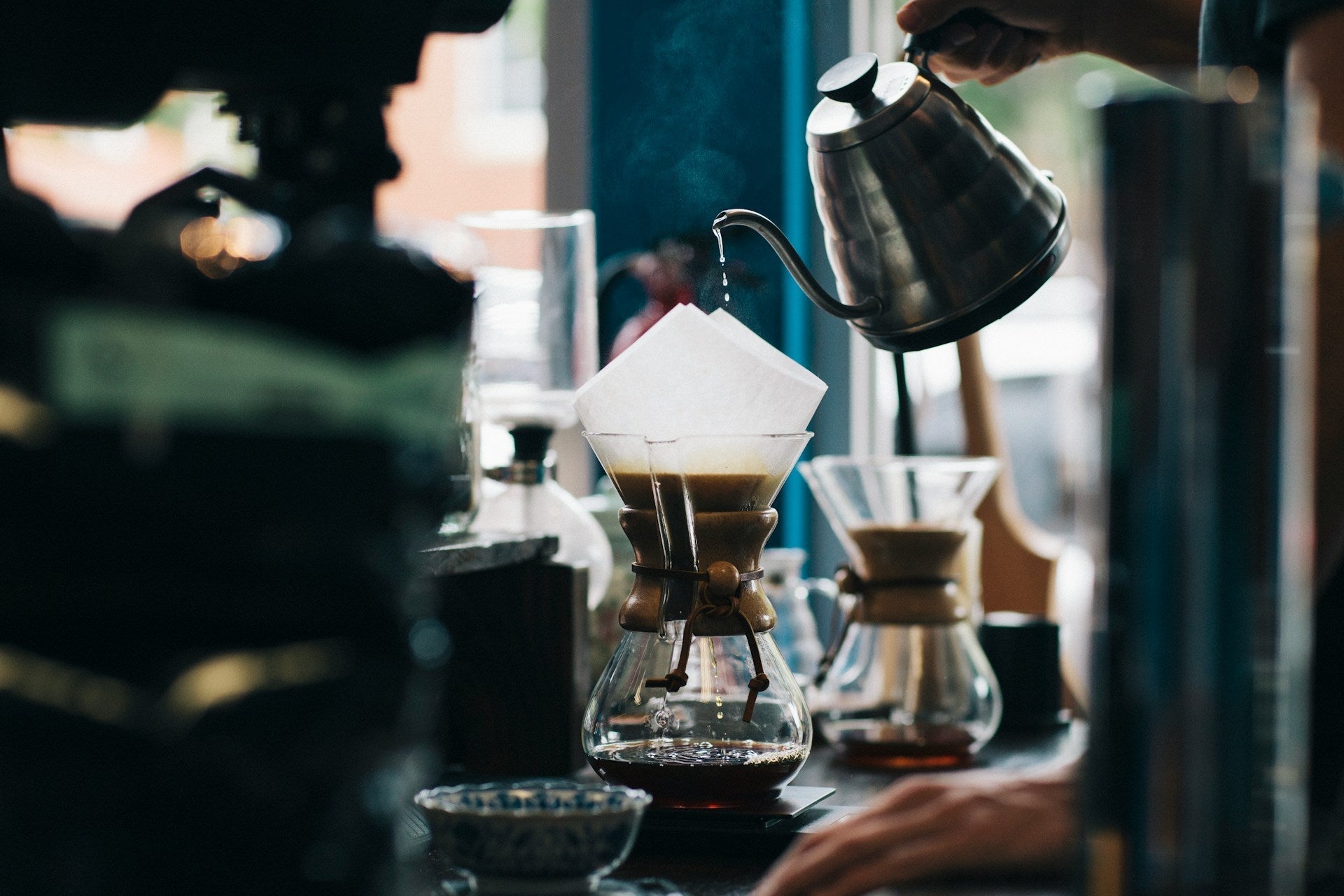


Decaffeinated Coffee: An Introduction
What is Decaffeinated Coffee?
Decaffeinated coffee is a special form of coffee in which most of the caffeine has been removed. This coffee offers the enjoyment of aromatic coffee without the stimulating effects of caffeine. It is ideal for people who are sensitive to caffeine or want to reduce their caffeine consumption.
Most decaffeinated coffees contain only a minimal amount of caffeine, typically less than 0.3% of the original caffeine content. This allows consumers to enjoy the aromas and taste of coffee without the side effects of caffeine.
| Caffeine content (mg per cup) | Regular coffee | Decaffeinated coffee |
|---|---|---|
| Average | 95 | 2 - 5 |
The Decaffeination Process
The decaffeination process can be carried out in various ways. The most common methods are the chemical solvent method, the CO2 method, and the water extraction method. Each method has its own advantages and disadvantages, which can affect the taste and quality of the final product.
| Method | Description | Advantages | Disadvantages |
|---|---|---|---|
| Chemical solvent method | Use of solvents to extract caffeine | Cost-effective | Possible chemical residues |
| CO2 method | Use of pressurized carbon dioxide to extract caffeine | Preserves aromas | Expensive process |
| Water extraction method | Caffeine is removed by water and osmotic pressure | No chemicals | Longer processing time |
The choice of decaffeination method can significantly affect the taste and quality of the decaffeinated coffee. Consumers should learn about the different methods to choose the option that is best suited for them.
Taste Aspects
Differences in Taste Compared to Regular Coffee
Decaffeinated coffee has some differences in taste compared to regular coffee. These differences result from the decaffeination process, which changes the chemical composition of the beans. While many people perceive the taste of decaffeinated coffee as less intense, there are also many who appreciate the milder aromas.
| Taste element | Regular coffee | Decaffeinated coffee |
|---|---|---|
| Bitterness | High | Moderate |
| Acidity | High | Low to Moderate |
| Body | Full | Light to Moderate |
| Aromas | Complex | Simpler |
Popular Taste Profiles
Decaffeinated coffee offers a variety of taste profiles, depending on the origin of the beans and the roast. Some of the most popular flavors are:
| Taste profile | Description |
|---|---|
| Nutty | Soft, earthy notes, often with a hint of sweetness. |
| Fruity | Light, sweet aromas reminiscent of berries or citrus fruits. |
| Chocolatey | Rich, sweet notes reminiscent of dark chocolate. |
| Floral | Delicate, floral aromas that convey freshness and lightness. |
The taste characteristics of decaffeinated coffee can vary depending on the preparation method and bean type. Many coffee lovers enjoy the variety of aromas that can also be found in decaffeinated coffee.
Benefits of Decaffeinated Coffee
Health Aspects
Decaffeinated coffee offers various health benefits that make it an attractive choice for many people. It contains less caffeine, which is beneficial for people who are sensitive to caffeine or want to reduce their consumption.
Here are some health aspects of decaffeinated coffee:
| Benefit | Description |
|---|---|
| Lower caffeine content | Reduces the risk of sleep disorders and nervousness. |
| Antioxidants | Contains antioxidants that help combat free radicals. |
| Gentle on the stomach | May be better tolerated by people with a sensitive stomach. |
| Heart health | Some studies suggest that decaffeinated coffee can reduce the risk of heart disease. |
Enjoyment Without Caffeine
Decaffeinated coffee allows people to enjoy the taste and aroma of coffee without the stimulating effects of caffeine. This is particularly beneficial for those who want to consume coffee in the evening or in situations where caffeine is undesirable.
The following points illustrate the enjoyment of decaffeinated coffee:
| Aspect | Description |
|---|---|
| Taste | Offers a similar taste profile to regular coffee, but without the caffeine effect. |
| Versatility | Can be enjoyed in various preparation methods, such as filter coffee or espresso. |
| Relaxation | Promotes a relaxing atmosphere, ideal for social gatherings or quiet moments. |
| Enjoyment without restrictions | Allows the enjoyment of coffee at any time of day without worrying about sleep disorders. |
Decaffeinated coffee is thus an excellent option for coffee lovers who appreciate the taste but want to avoid caffeine.
Preparation Methods
Decaffeinated coffee can be prepared in various ways, with each method offering its own characteristics and nuances of flavor. This section introduces three common preparation methods: filter coffee, espresso, and French press.
Filter Coffee
Filter coffee is one of the simplest and most popular methods for preparing decaffeinated coffee. In this method, hot water is filtered through ground coffee, creating a clear and aromatic coffee.
| Parameter | Description |
|---|---|
| Water temperature | 90 - 95 °C |
| Brewing time | 4 - 6 minutes |
| Coffee ratio | 1:15 (coffee to water) |
Espresso
Espresso is a concentrated form of coffee made by forcing hot water through finely ground coffee. Decaffeinated espresso offers the same intense taste as regular espresso, but without the caffeine.
| Parameter | Description |
|---|---|
| Water temperature | 90 - 95 °C |
| Brewing time | 25 - 30 seconds |
| Coffee ratio | 1:2 (coffee to water) |
French Press
The French press is another popular method for preparing decaffeinated coffee. In this method, coarsely ground coffee is mixed with hot water and pressed through a mesh plunger after a certain amount of time.
| Parameter | Description |
|---|---|
| Water temperature | 90 - 95 °C |
| Brewing time | 4 minutes |
| Coffee ratio | 1:12 (coffee to water) |
Each of these preparation methods has its own advantages and can be chosen according to personal taste and preference. Decaffeinated coffee can be enjoyed in a variety of ways without having to give up the full flavor.
Decaffeinated Coffee in Coffee Culture
Popularity and Acceptance
Decaffeinated coffee has gained popularity in recent years. More and more people appreciate the opportunity to enjoy the taste of coffee without the stimulating effects of caffeine. This is particularly important for people who are sensitive to caffeine or want to reduce their caffeine consumption.
The acceptance of decaffeinated coffee varies by region and culture. In some countries, it is an integral part of coffee culture, while in others it is still considered a niche product. The following table shows the popularity of decaffeinated coffee in various countries:
| Country | Popularity (%) |
|---|---|
| Germany | 30 |
| USA | 25 |
| France | 20 |
| Italy | 15 |
| Sweden | 10 |
Special Occasions and Uses
Decaffeinated coffee is often served in special situations where caffeine is not desired. This includes evening events where guests may be sensitive to caffeine or have difficulty sleeping after consuming caffeinated coffee.
The following table shows some common occasions and uses for decaffeinated coffee:
| Occasion | Use |
|---|---|
| Dinner | As a dessert accompaniment |
| Coffee gathering | For guests who avoid caffeine |
| Afternoon coffee | For relaxing afternoons |
| Pregnancy | For expectant mothers |
| Health consciousness | For people with caffeine sensitivity |
Decaffeinated coffee has thus established itself as a versatile option that is appreciated in both social and health contexts.
Conclusion
Summary of the Benefits of Decaffeinated Coffee
Decaffeinated coffee offers numerous benefits that make it an attractive choice for coffee lovers. The most important benefits are:
| Benefit | Description |
|---|---|
| Low caffeine content | Ideal for people who are sensitive to caffeine or want to reduce their consumption. |
| Taste experience | Offers a similar taste experience to regular coffee, but without the stimulating effect. |
| Health benefits | Can help avoid sleep disorders and regulate blood pressure. |
| Versatility | Can be enjoyed at any time of day without the risk of insomnia. |
Outlook on the Future of Decaffeinated Coffee
The future of decaffeinated coffee looks promising. With the growing interest in healthy lifestyles and the demand for caffeine-free alternatives, the popularity of decaffeinated coffee is expected to continue to increase.
| Trend | Description |
|---|---|
| Innovative decaffeination methods | New technologies could further improve the taste quality and aroma of decaffeinated coffee. |
| Increase in specialty coffees | More and more roasteries are offering high-quality decaffeinated options that meet the demands of coffee lovers. |
| Integration into coffee culture | Decaffeinated coffee is increasingly offered in cafes and restaurants as an equivalent option to regular coffee. |
The combination of taste, health benefits, and the opportunity to enjoy coffee at any time of day will secure a significant role for decaffeinated coffee in the coffee culture of the future.
Further articles:
Coffee: An Enjoyment That Entices the Senses
Café au lait: The Trend You Should Try
Good Morning Coffee: The Art of Perfect Preparation
Why Caffeine-Free Coffee Is the Perfect Choice
Coffee or Tea: What Does Your Taste Say About You?
Discover the Surprising Benefits of Black Coffee
Decaffeinated Coffee: Taste That Delights
Why Americano Coffee Is the Perfect Choice for You
Melange Coffee: A Delicious Trend You Should Try
French Press Coffee: The Key to Full Coffee Flavor
Coffee During Pregnancy: Tips for Expectant Mothers
The Amazing Caffeine Levels in Various Coffees
Instant Coffee: A Quick Solution for Coffee Lovers
Turkish Coffee: An Experience You Should Not Miss
Coffee Calories: The Hidden Calories in Popular Varieties
How to make the perfect flat white coffee
Einspänner coffee: A heavenly everyday treat
Coffee and pregnancy: Myths and facts revealed
Coffee with vanilla ice cream: How to create a delicious treat
The best coffee and caffeine options for the perfect treat