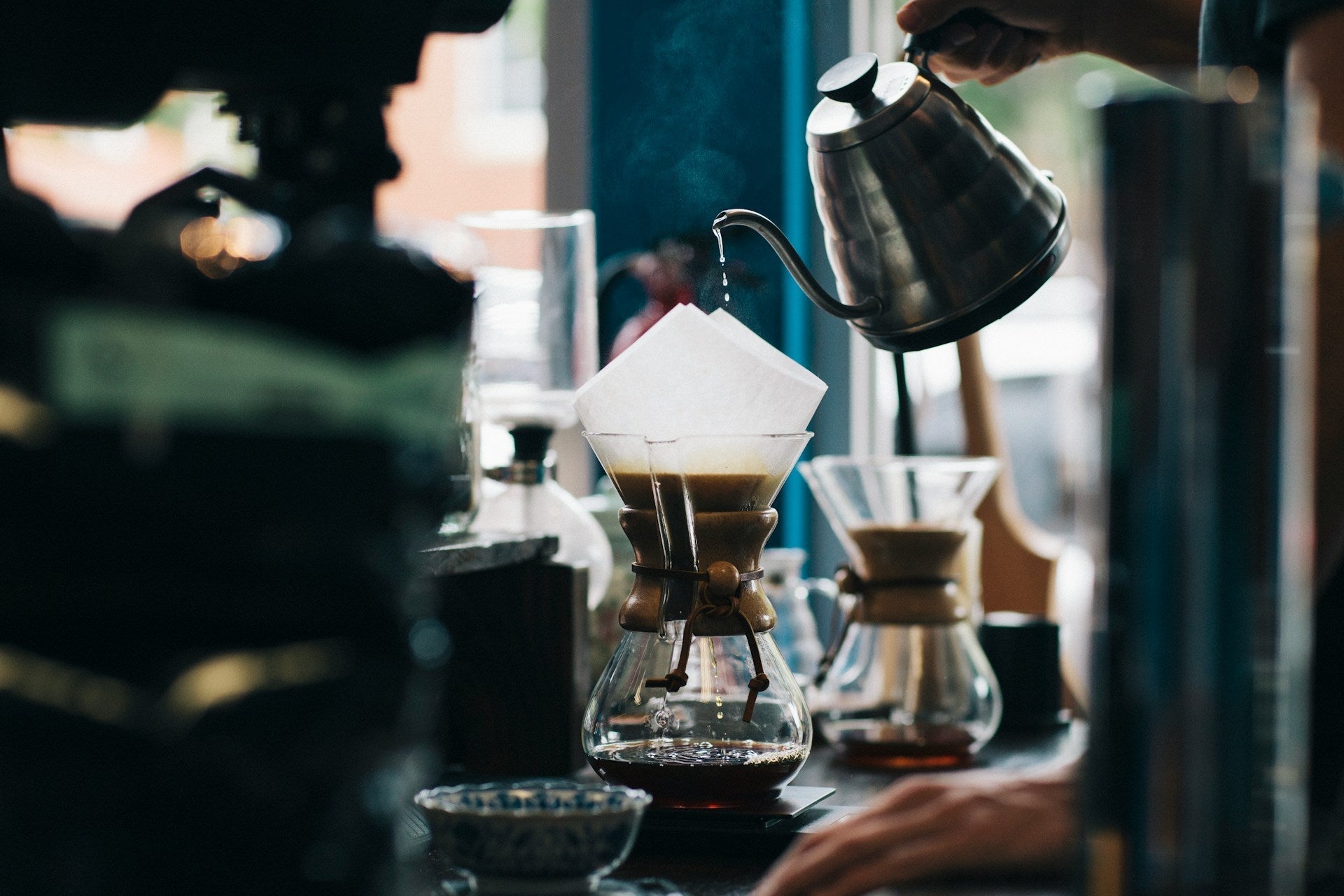



Coffee During Pregnancy: Tips for Pregnant Women
Coffee and Pregnancy: What You Should Know
Coffee is a popular drink that many people consume daily. However, during pregnancy, it is important to be aware of coffee consumption. Pregnant women should be aware of the possible effects of caffeine on their health and that of their unborn child.
The general recommendation is to reduce caffeine consumption during pregnancy. Too much caffeine can increase the risk of complications, including premature birth and low birth weight.
The Effects of Coffee on Pregnant Women
Caffeine has various effects on the body, especially during pregnancy. It can increase heart rate and affect blood pressure. Caffeine can also impair the body's ability to absorb iron, which is particularly important during pregnancy.
Here are some of the most important effects of caffeine on pregnant women:
| Effect | Description |
|---|---|
| Increased heart rate | Caffeine can increase the heart rate of both the mother and the fetus. |
| Sleep disturbances | High caffeine consumption can lead to sleep problems, which are already common during pregnancy. |
| Stomach discomfort | Caffeine can worsen stomach discomfort and heartburn, which are common during pregnancy. |
| Risk of miscarriage | Some studies suggest that high caffeine consumption may be associated with an increased risk of miscarriage. |
It is important for pregnant women to monitor their coffee consumption and, if necessary, talk to their doctor about best practices.
Recommended Coffee Intake
Guidelines for Coffee Consumption During Pregnancy
The recommended amount of coffee during pregnancy varies depending on the source. Generally, it is recommended to reduce caffeine consumption to a minimum to avoid possible risks to the unborn child. Most health organizations recommend not consuming more than 200 mg of caffeine per day.
| Drink | Caffeine content (mg) |
|---|---|
| Cup of filter coffee (240 ml) | 95 |
| Cup of espresso (30 ml) | 63 |
| Cup of black tea (240 ml) | 47 |
| Cup of green tea (240 ml) | 29 |
| Cup of decaffeinated coffee (240 ml) | 2 |
Alternatives to Coffee
For pregnant women who want to reduce their caffeine consumption, there are numerous alternatives to coffee. These options offer flavor and enjoyment without the risks of caffeine.
| Alternative | Description |
|---|---|
| Herbal tea | Many herbal teas are caffeine-free and offer a variety of flavors. |
| Fruit tea | Fruit teas are also caffeine-free and can be enjoyed hot or cold. |
| Decaffeinated coffee | This option has a very low caffeine content and can be prepared like regular coffee. |
| Golden milk | A mixture of turmeric, milk, and spices that is a healthy and tasty alternative. |
| Smoothies | Fruit or vegetable smoothies offer a refreshing and nutritious option. |
These alternatives allow pregnant women to enjoy drinks without exceeding the recommended caffeine limit.
Health Aspects
Caffeine Content in Different Types of Coffee
Caffeine content can vary greatly depending on the type of coffee and how it is prepared. Pregnant women should be aware of the different caffeine amounts to manage their consumption accordingly. The following table shows the average caffeine content in different types of coffee:
| Type of coffee | Caffeine content (mg per 100 ml) |
|---|---|
| Filter coffee | 40 - 60 |
| Espresso | 90 - 120 |
| Cappuccino | 40 - 80 |
| Latte | 30 - 50 |
| Instant coffee | 30 - 80 |
Risks of Excessive Coffee Consumption
Excessive coffee consumption during pregnancy can pose various health risks. Possible effects include:
- Increased risk of miscarriage
- Lower birth weight
- Premature birth
- Increased heart rate and blood pressure
Recommendations for coffee consumption during pregnancy vary, but it is often advised to limit daily caffeine intake to a maximum of 200 mg. Pregnant women should therefore monitor their coffee consumption and consider alternatives if necessary.
Tips for Pregnant Coffee Lovers
Decaffeinated Coffee Options
For pregnant women who want to reduce their coffee consumption, there are various decaffeinated alternatives. These options offer the taste of coffee without the negative effects of caffeine.
| Decaffeinated Option | Caffeine content (mg per cup) |
|---|---|
| Decaffeinated filter coffee | 2 - 5 |
| Decaffeinated espresso | 0 - 1 |
| Roasted chicory coffee | 0 |
| Malt coffee | 0 |
Healthy Alternatives to Coffee
In addition to decaffeinated options, there are also healthy alternatives that can help pregnant women replace their coffee. These drinks offer not only flavor but also additional health benefits.
| Alternative drink | Benefits |
|---|---|
| Herbal tea | Soothing, many varieties are caffeine-free |
| Rooibos tea | Rich in antioxidants, caffeine-free |
| Matcha tea | Contains less caffeine, rich in antioxidants |
| Fruit or vegetable juices | Vitamins and minerals, refreshing |
These options allow pregnant women to enjoy coffee while also taking care of their health and that of their unborn child.
Coffee Preparation During Pregnancy
Safety Precautions When Brewing Coffee
When preparing coffee during pregnancy, some safety precautions should be observed. These measures help minimize possible risks and protect the health of both mother and child.
| Safety precaution | Description |
|---|---|
| Hygiene | Ensure that all utensils and equipment are clean to reduce the risk of germs. |
| Water temperature | Use fresh, filtered water and do not bring it to a boil to avoid the formation of harmful substances. |
| Coffee bean selection | Choose high-quality coffee beans to ensure that they do not contain harmful chemicals. |
| Caffeine amount | Pay attention to the recommended caffeine amount and use decaffeinated alternatives if necessary. |
Tips for Enjoying Coffee During Pregnancy
For pregnant women who want to enjoy coffee, there are some helpful tips to make consumption safer and more pleasant.
| Tip | Description |
|---|---|
| Portion control | Stick to smaller portions to reduce caffeine intake. |
| Decaffeinated options | Consider decaffeinated coffee alternatives or herbal teas to minimize caffeine intake. |
| Timing | Enjoy coffee at times when you feel most comfortable to avoid possible discomfort. |
| Pairing with food | Drink coffee with a meal to mitigate the effects of caffeine. |
These tips and safety precautions can help pregnant women optimize their coffee enjoyment while taking care of their unborn child's health.
More articles:
Coffee: A Delight That Entices the Senses
Café au lait: The Trend You Should Try
Good Morning Coffee: The Art of Perfect Preparation
Why Decaffeinated Coffee Is the Perfect Choice
Coffee or Tea: What Does Your Taste Say About You?
Discover the Surprising Benefits of Black Coffee
Decaffeinated Coffee: Flavor That Delights
Why Americano Coffee Is the Perfect Choice for You
Melange Coffee: A Delicious Trend You Should Try
French Press Coffee: The Key to Full Coffee Flavor
Coffee During Pregnancy: Tips for Pregnant Women
The Amazing Caffeine Levels in Different Coffees
Instant Coffee: A Quick Solution for Coffee Lovers
Turkish Coffee: An Experience You Should Not Miss
Coffee Calories: The Hidden Calories in Popular Varieties
How Flat White Coffee Is Perfectly Prepared
Einspänner Coffee: A Heavenly Experience for Every Day
Coffee During Pregnancy: Myths and Facts Revealed
Coffee with Vanilla Ice Cream: How It Becomes a Taste Experience
The Best Coffee Caffeine Varieties for Perfect Enjoyment